
Welcome to Suprseeds
Fix Your Roots Naturally
Shop Now
Enjoy free shipping on every order! | Download Our App for App Exclusive Offers! | Buy 2 products and get a Free Gift
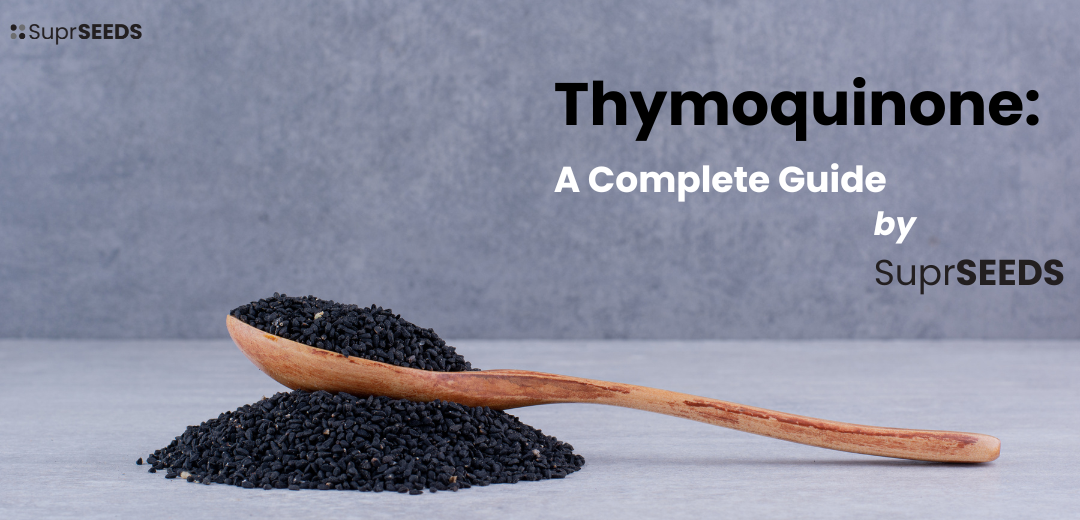
Thymoquinone is the star active compound found in black seed oil (Nigella sativa), a natural remedy that has been used for thousands of years but is now gaining attention for the science that backs its health claims. If you are interested in holistic health and wellness, you will want to know about this compound.
Thymoquinone is the main active compound in black seed oil, which is derived from the seeds of Nigella Sativa. It is a powerful antioxidant and has anti-inflammatory properties that help your body to protect and support itself, naturally.
Black seed oil is well-known as a traditional historical remedy and is also of interest now for digestive health, immunity, and overall wellness, notably reducing inflammation.
Here are various health benefits of Thymoquinone mentioned:
Thymoquinone reduces inflammatory markers and provides valuable benefits in reducing inflammation for people with arthritic symptoms. In clinical studies, people took less pain medication and reported less soreness and improved flexibility in their joints.
Black seed oil supports the immune system, for example, it aids in relieving difficult-to-fight bacteria (H. pylori) and decreases the risk of COVID-19. It also has anti-fungal activity and targeted anti-parasitic activity.
Thymoquinone is also useful for people with thyroidism, especially Hashimoto’s thyroiditis, by regulating hormones and reducing unwanted antibodies in the blood.
Higher doses have been shown to lower cholesterol, triglycerides, and blood sugar, an advantage when managing heart and diabetes risk elements. The main factor for the best results with this oil is consistency and quality.
This oil helps with memory, focus, and sleep quality, especially in older adults. It is possible that the oil lowers cortisol and balances the scaffolding of the neurotransmitters in the body.
Over the years, several studies have explored the health benefits of black cumin seed oil (commonly known as black seed oil) and found positive results across a wide range of dosages from as low as 200 mg to as high as 6,000 mg (6 g) per day. These variations depend on the purpose of use, individual tolerance, and product quality.
In clinical settings, practitioners often start clients with a moderate dose of around 1,000 mg (1 g) per day, often divided into two 500 mg doses, taken orally. This serves as a good starting point to assess tolerance and the body’s response before gradually increasing the dosage if needed.
For individuals using lower dosages, it’s recommended to choose a product that contains a higher concentration of thymoquinone (5% or above), the key active compound in black seed oil responsible for many of its potential health-promoting properties.
When selecting a supplement, always look for cold-pressed, high-quality black seed oil from reputable brands such as Suprseeds to ensure purity and potency. Consistency in use and proper dosage play a vital role in experiencing the full benefits, whether you’re aiming to support immunity, reduce inflammation, or promote general wellness.
Important Note: If you have any medical conditions, are currently on prescribed medications, or are pregnant or breastfeeding, it’s essential to consult a qualified healthcare professional before adding black seed oil to your routine. This ensures safety and helps avoid any unwanted interactions or side effects.
Thymoquinone, the powerful active compound in black seed oil, continues to capture attention for its remarkable health-boosting properties. For centuries, this natural remedy has been valued across cultures for its ability to support holistic wellness, from strengthening the immune system and promoting heart health to enhancing hair growth and skin vitality.
Modern research continues to build on this rich legacy, showing that black seed oil can be a safe, natural complement to a healthy lifestyle. Its long-standing record of traditional use and growing scientific validation make it a trusted choice for those seeking natural alternatives to conventional supplements.
To truly experience these benefits, choosing the right product matters. SuprSEEDS brings you pure, naturally extracted black seed oil, carefully crafted to preserve its high thymoquinone content and therapeutic value. Whether you’re looking to improve your skin, boost hair health, or boost overall wellness, with premium black seed oil can help you achieve it naturally.
Start your wellness journey today with Black Seed Oil, nature’s secret for a healthier, more balanced you.
A: You can start with 1,000 mg per day. You can take this as a single dose or divide as needed. For your benefit, select a high-quality oil preferably with 5% thymoquinone content.
A: Black cumin seed oil should be safe at recommended dosages, but some people could experience mild digestive upset. It is advisable to check with your doctor if you intend to take high doses for extended periods or if you are pregnant.
A: There is some concern that thymoquinone can interact with some medications, including blood thinners and blood pressure medications, so it is best to check with your health care provider.
A: Studies are showing appropriate dosages can support your expression of joint pain, metabolic syndrome, allergies, and can even be a supportive integrative therapy during viral outbreaks. When in doubt about your health, always seek useful advice.
A: Taking black seed oil or black seed powder daily may help regulate blood sugar levels in people with diabetes. It may also support digestive health by helping manage Helicobacter pylori (H. pylori) infections, a common cause of stomach ulcers, when used alongside standard treatments.
Not blends, not gimmicks. Just powerfully potent SuprSEEDS-based solutions.

Backed by research. Informed by history

We go deep into inflammation, gut health, metabolism — not wide and vague.

You know what’s in your bottle, and why it’s there.




SuprSEEDS is a nxt-gen clean and effective solutions brand that focus on root causes like inflammation, gut imbalance etc helping you feel better from the inside out.
Need help fast? Fill out our form or email care@suprseeds.com
Copyright © 2025 Suprseeds | All Rights

One thought on “What is Thymoquinone? A Complete Guide”